
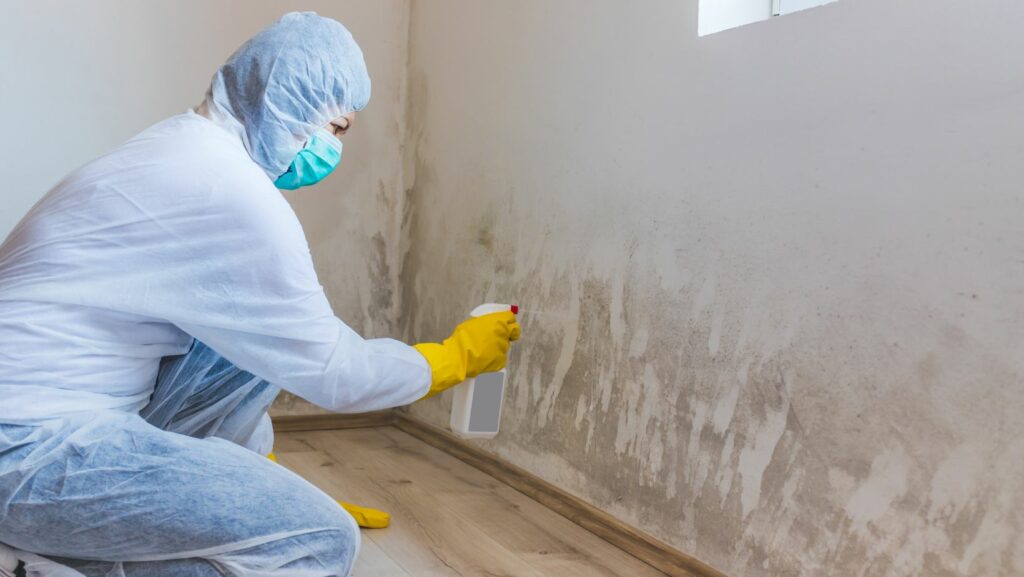
Effective mould remediation requires a series of key steps that ensure the contaminant is properly managed and controlled. For technicians in the field, proper remediation doesn’t just require scrubbing visible growth. You must understand the science, follow strict safety protocols, and ensure a clean environment that won’t trigger recurring problems.
Here’s a structured approach with tips that restoration contractors can use to achieve successful remediation and maintain healthier environments.
1. Start With Smart Detection
The one thing you will learn when taking your mold remediation certificate course is that you simply can’t fix what you haven’t found yet. Mould is sneaky, and a surface-level cleanup won’t cut it if hidden moisture is feeding growth behind walls or under floors. That’s why your inspections must go beyond just looking around. Use moisture meters and thermal imaging cameras to track down problem areas.
Also, pay attention to musty odours, as they are often the first sign of hidden colonies. Remember, none of this matters if you don’t fix the source. So, ensure that you repair any existing leaks, address condensation, and improve ventilation before you can even start the remediation process.
2. Use Cleaning Products That Protect, Not Harm
Bleach and other harsh chemicals have long been the go-to, but that doesn’t mean they are the best choice. Many traditional cleaners expose technicians and building occupants to risks that range from respiratory irritations to chemical burns. What’s more, using these products frequently for longer periods has been associated with long-term health issues.
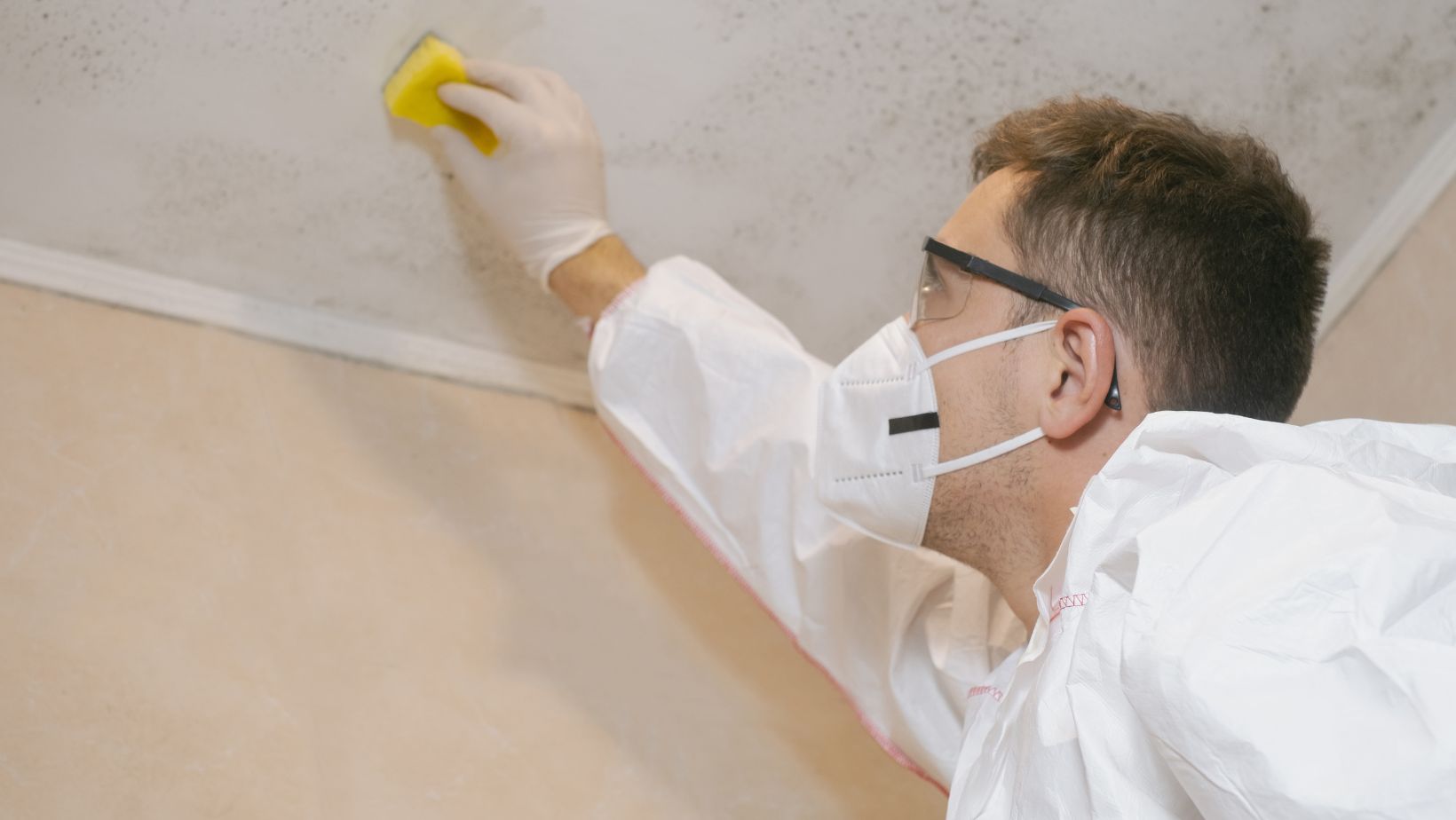
Thankfully, there are safer and more effective options today. Enzyme-based and eco-friendly products mimic natural breakdown processes, delivering a deep clean without the health hazards. Not only are these better for you, but they are also easier on the property.
3. Contain, Control, and then Filter
Once you’ve started remediation, the last thing you want is spores hitching a ride to other parts of the building. Proper containment is a must, not just a best practice. So, use plastic sheeting and zip walls to isolate affected areas.]
Also, run negative air machines to keep spores from drifting. Consider pairing the negative air machines with HEPA filtration to capture particles in the air. Don’t forget HVAC systems, since unsealed vents are like expressways for mould spores.
4. Monitor and Maintain After the Job
One thing every mould tech should know by now is that mould is very stubborn. Even after remediation, conditions can trigger regrowth if left unchecked. That’s why you should monitor and follow up regularly.
Perform regular moisture checks, recommend dehumidifiers where applicable, and create a simple maintenance schedule for your clients. Periodic inspections are a must for keeping small issues from turning into callbacks.
5. Document Everything
Detailed documentation is one of the most overlooked, yet valuable parts of the remediation process. Use photos, logs, and moisture readings to tell the story of what you found and how you fixed it. Start with before-and-after photos, keep a remediation log of all the steps, and store all inspection results in one place.
Doing this protects you in case of disputes, but also reassures clients that they are getting professional, accountable services.
6. Educate the Client
One of the most powerful things you can do as a tech isn’t behind a barrier or with a HEPA filter. It’s not even continuing your education. And while these are key elements for success, the most powerful and unexpected thing you can do is to educate your clients.
Not many homeowners realise how central moisture control is to mould prevention. That’s why you want to take time to explain what caused the problem, what you did to fix it, and the steps the customer should take to prevent recurrence moving forward.
Provide simple written guides, recommend routine inspections, and stress the importance of ventilation.
Get Ready to Conquer This Field
Mould remediation is equal parts science, safety, and communication. The tips mentioned in this post shouldn’t just help you eliminate mould, but also build credibility. At the end of the day, mould remediation is not just about cleaning a mess. It’s also about creating healthier spaces, protecting your clients, and making sure your work stands up to both inspection and time.
So, equip yourself with the knowledge you need for proper remediation by taking courses from rocketcert.com and then use the above practices to perfect your trade.