
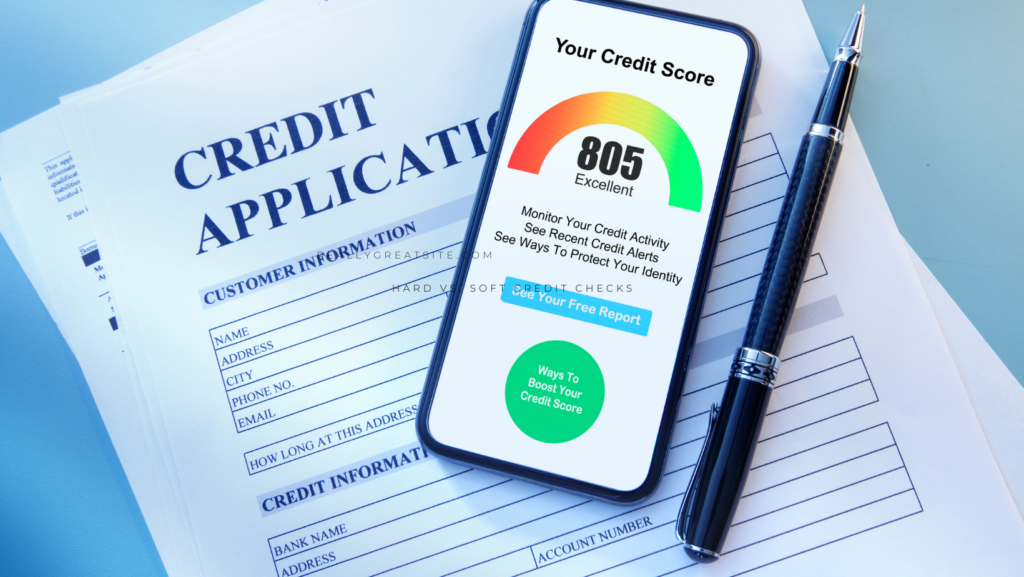
Applying for a loan can feel like a high-stakes move. You may have heard that every application leaves a permanent scar on your credit file. That is not quite the case. This guide walks you through who holds your credit data, what makes up a credit score, the difference between hard and soft enquiries, how long things stay on your file, whether you can still get credit with past problems, and three practical ways to improve your score.
The Anatomy of a Credit File
Three main credit reporting bodies hold consumer credit files in the system you use to apply for credit. The big names are Equifax, Experian and Illion. Different lenders may use one or more of these providers when they check your file. Because they are separate organisations, the information one bureau holds might look a little different from what another holds. You can request a free copy of each credit report to check the details. (MoneySmart lists their contact details and how to access your report.)
What makes up a credit score and credit file usually includes the following items:
Knowing what is in your file gives you power. If something is wrong, contact the credit reporting body that holds that information and the credit provider that supplied it.
The Big Question: Soft vs. Hard Enquiries
The single most common worry people have is whether checking their options will hurt their score. The answer depends on the type of enquiry. There are two categories to understand: hard enquiries and soft enquiries. The distinction matters because one can affect your visible footprint to other lenders, and the other will not.
What is a Hard Enquiry?
A hard enquiry happens when you submit a formal credit application. Examples include applying for a personal loan, a credit card, a home loan, or sometimes a BNPL account when the provider performs a full credit assessment. Hard enquiries are visible to lenders who pull your file, and they leave a footprint on your credit report. Multiple hard enquiries in a short period can signal to lenders that you are shopping for a lot of credit or that you might be in financial stress, and that can lower your chances of approval or nudge the price of credit up. In Australia, enquiry records remain on your credit file for five years and are visible when credit providers seek your report.
To put it simply, apply for credit only when you are serious. If you make several formal applications in a compressed period, you raise a red flag.
What is a Soft Enquiry?
A soft enquiry is a background or pre-approval style check. Examples include checking rates at comparison sites, a lender running a quick eligibility check, or identity checks by employers with your consent. Soft enquiries are visible to you when you view your own report, but they do not show up to other lenders, and they do not affect your credit score. Soft checks are the safer way to shop around. Many comparison services and pre-qualification tools use soft checks by design.
Many people worry that checking their eligibility will hurt their score. Fortunately, many online loan lenders now perform a ‘soft check’ first, which doesn’t leave a lasting mark on your history.
That means you can compare rates and get a realistic idea of approval chances without a hard footprint.
How Long Do Things Stay in Your File?
Credit reporting in this jurisdiction follows a defined set of timelines. According to the Office of the Australian Information Commissioner, typical retention periods are:
Takeaway: Negative marks are not permanent. Your financial past is not forever. Over time, the worst items fall off your file, and lenders will place more weight on recent behaviour than events from many years ago.
Can I Get a Loan with Past Defaults?
Yes. A past default does not permanently exclude you from credit. Lenders look at the whole picture: how long ago the default was, whether it is paid, your current income and expenses, and signs that you have rebuilt stability.
Even if you have negative marks on your file from years ago, you aren’t locked out of the financial system. There are specialised bad credit loans designed for applicants who are actively rebuilding their score.
Specialist lenders and brokers work with customers who have imperfect histories. These products often come with higher interest rates and stricter terms, so treat them as transitional tools on the way to mainstream credit. Some lenders will focus more on bank statements and current affordability than on historic credit events.
If you are considering this route, compare offers carefully and, where possible, favour lenders who report positive repayment history back to the credit bureaus because that will speed up rehabilitation of your score.
3 Ways to Improve Your Credit Score This Year
Improving a credit score is practical and usually faster than people expect. Here are three things you can do this year that make a real difference.
Fix Errors
Check each credit report from the three major bureaus. If you see a debt that is not yours, contact the credit reporting body and the creditor to lodge a dispute. The OAIC and the bureaus give step-by-step processes for corrections. Removing incorrect adverse information can produce a meaningful positive change quickly.
Automate Repayments
Payment history matters the most. Set up direct debits or calendar reminders so bills are always paid on time. Small, consistent wins count. Showing a year of reliable repayments is usually more persuasive to lenders than a single large payment. MoneySmart offers practical tips for setting up automated repayment plans.
Space Out Applications
Do not apply for multiple loans within short windows unless you truly need to. Multiple hard enquiries in a short period can look risky. If you are rate shopping, use pre-approval or soft-check tools where possible. Lenders and scoring models treat a cluster of recent hard enquiries as an elevated risk indicator.
Conclusion
Your credit score is a tool. It measures financial behaviour for lenders and can be used to access better prices and products once you rebuild it. Hard enquiries can affect the way lenders view you, but soft checks let you shop around without harm. Negative records do not last forever. With the right steps — fix errors, automate payments and space out applications — you can restore or improve your credit standing.
Final call to action: Use soft-check eligibility tools first to see where you stand without the risk, request your free credit reports from Equifax, Experian and Illion, and make a concrete plan to improve your repayment history this year.